Brent Crude

Gold and Oil Ease as Markets Assess Inflation and Economic Outlook

Gold and Brent crude oil prices moved lower today (Thursday, 06.11.2026) as investors digested fresh U.S. economic data and reassessed the outlook for inflation, interest rates, and global growth.

Gold fell 0.9% to around $4,095. The decline came as stronger-than-expected U.S. producer inflation data reduced expectations for aggressive Federal Reserve rate cuts. Higher inflation can keep interest rates elevated for longer, increasing the opportunity cost of holding non-yielding assets such as gold. Despite the pullback, the precious metal remains supported by ongoing geopolitical uncertainties and continued demand for safe-haven assets.

Brent crude also edged lower, falling 0.4% to approximately $92.69 per barrel. Oil prices have remained elevated in recent weeks due to concerns about supply disruptions and tensions in the Middle East. However, traders took a more cautious stance as markets weighed the potential impact of higher energy prices on global economic growth and inflation.

The latest U.S. data presented a mixed picture. While producer prices rose more than expected, jobless claims increased above forecasts, suggesting the labor market may be gradually cooling. The combination of persistent inflation pressures and softer employment indicators has created uncertainty over the timing of future Federal Reserve policy moves.

Investors will continue monitoring inflation data, central bank signals, and geopolitical developments for clues on the next direction of both gold and oil prices.
US Crude Oil Inventories Fall Sharply, Supporting Oil Market Tightness

US crude oil inventories declined by 7.23 million barrels in the latest reporting week, marking a significantly larger draw than the 3.0 million-barrel decline expected by analysts. However, the decrease was slightly smaller than the previous week's 7.97 million-barrel draw.
Gold Slides More Than 2% While Brent Crude Edges Lower as Investors Reassess Risk Outlook

Gold prices are under significant pressure today, falling more than 2% to around $4,190 per ounce as investors reduce safe-haven positions and focus on the potential economic consequences of rising energy prices and persistent inflation. The decline comes despite ongoing geopolitical tensions in the Middle East, which have recently driven volatility across global financial markets.

Market participants are increasingly concerned that higher oil prices could keep inflation elevated and limit the ability of major central banks, particularly the Federal Reserve, to cut interest rates in the near term. Higher interest rate expectations typically weigh on gold because the metal does not generate income and becomes less attractive relative to interest-bearing assets.

Meanwhile, Brent crude oil is trading modestly lower near $91 per barrel after a sharp rally in recent sessions. Oil markets remain supported by concerns over supply disruptions and uncertainty surrounding shipping routes in the Middle East, but traders appear to be taking profits as they evaluate whether the latest geopolitical developments will lead to a sustained impact on global energy supplies.

The pullback in both gold and oil suggests investors are moving into a more cautious wait-and-see mode ahead of US inflation data and further developments in the Middle East. While geopolitical risks remain elevated, markets are increasingly focused on inflation, interest rates, and the broader implications for global economic growth.
Gold and Oil Retreat as Middle East Tensions Ease and Risk Appetite Improves

Gold and oil prices moved lower on Tuesday as investors reacted to signs of easing tensions in the Middle East, reducing demand for traditional safe-haven assets and easing concerns about potential disruptions to global energy supplies.

Gold fell 0.25% to 4,352.70, extending its recent pullback as traders shifted toward riskier assets such as equities. The decline came as Israel and Iran signaled a pause in hostilities, reducing immediate geopolitical fears that had previously supported precious metal prices. At the same time, expectations that US interest rates could remain elevated for longer continued to weigh on non-yielding assets like gold.

Brent crude oil dropped 3.24% to $91.20 per barrel, giving back part of the sharp gains recorded during recent geopolitical flare-ups. Oil markets were pressured by hopes that the conflict would not escalate further.

The decline in both commodities reflects a broader shift in market sentiment toward risk assets. US stock indexes advanced strongly during the session as investors focused on resilient economic data, including better-than-expected housing and trade figures, while viewing softer labor-market readings as potentially supportive of future Federal Reserve rate cuts.

Despite today's pullback, both gold and oil remain highly sensitive to developments in the Middle East. Any renewed escalation could quickly reverse the current trend and reignite demand for safe-haven assets and energy markets.
Brent Crude Jumps 4% as Middle East Tensions Reignite Supply Fears

Brent crude oil rose roughly 4% today, approaching the $97-$98 per barrel range, as investors reacted to renewed military escalation between Israel and Iran and growing concerns about oil supplies moving through the Strait of Hormuz.

The latest rally follows fresh Israeli strikes on Iranian targets and retaliatory missile attacks from Iran, raising fears that the conflict could further disrupt energy exports from the Middle East. The Strait of Hormuz remains the market's primary concern because roughly one-fifth of global oil and LNG shipments normally pass through the waterway.

Oil traders are also becoming increasingly concerned about declining global inventories. Crude stockpiles have been falling while tanker traffic through the region remains well below normal levels, leaving the market vulnerable to additional supply shocks if geopolitical tensions worsen.

The sharp rise in crude prices could have broader implications for financial markets. Higher energy costs may add inflationary pressure globally, potentially complicating central bank efforts to lower interest rates later this year.

For now, the direction of oil prices will largely depend on whether diplomatic efforts can reduce tensions in the Middle East or whether the conflict continues to threaten one of the world's most important energy transit routes.
Gold and Oil Retreat as Strong U.S. Jobs Data Shifts Market Focus Toward Interest Rates

Gold and crude oil prices both moved sharply lower on Friday as investors reacted to a stronger-than-expected U.S. employment report

Gold futures for August delivery fell 3.1% to $4,365 per ounce, marking one of the metal's weakest sessions in recent months. The decline followed the release of May U.S. nonfarm payrolls, which showed the labor market remains significantly stronger than expected. The robust jobs data reduced expectations for Federal Reserve rate cuts and pushed Treasury yields and the U.S. dollar higher, creating a headwind for non-yielding assets such as gold.

Brent crude oil also declined, falling 2.0% to $93.09 per barrel. Progress in diplomatic discussions helped ease immediate supply fears, even though the Strait of Hormuz remains a major source of uncertainty for global energy markets.

The pullback in both markets reflects a broader shift in investor psychology. For much of 2026, gold and oil benefited from geopolitical tensions and supply concerns. However, Friday's trading showed that macroeconomic factors remain dominant. A stronger U.S. economy increases the likelihood that the Federal Reserve will keep interest rates elevated, supporting the dollar to fight against inflation while reducing demand for safe-haven assets such as gold.

Despite the declines, underlying geopolitical risks remain significant. Global oil inventories continue to tighten, and any renewed escalation in the Middle East could quickly reverse the recent weakness in energy markets. Meanwhile, gold remains substantially higher than a year ago.
Gold Climbs as Investors Seek Safety While Oil Pulls Back on Hopes of Easing Supply Risks

Gold prices surged more than 1% on Thursday, climbing above $4,525 per ounce, while Brent crude oil fell over 3% to around $94.7 per barrel. The contrasting moves reflect a shift in investor sentiment as markets continue to digest developments in the Middle East, Federal Reserve expectations, and signs of a gradually cooling U.S. labor market.

The rally in gold was fueled by growing demand for safe-haven assets. Investors remain concerned about geopolitical tensions involving the United States and Iran, particularly after weeks of uncertainty surrounding shipping routes and energy supplies in the Middle East. Although fears of a major disruption have not disappeared, many market participants are seeking protection against potential volatility, supporting demand for precious metals.

Additional support came from today's U.S. labor market data. Initial Jobless Claims rose to 225,000, above expectations of 214,000 and the previous reading of 212,000. While the labor market remains relatively healthy, the data suggests economic conditions may be softening modestly. That has reinforced expectations that the Federal Reserve could eventually resume monetary easing if inflation continues to moderate. Lower interest rate expectations generally benefit gold because the metal does not pay interest and becomes more attractive when bond yields decline.

Meanwhile, Brent crude oil moved sharply lower after recent gains pushed prices close to the $100-per-barrel level. The decline appears driven largely by a reduction in immediate supply fears. While tensions in the Middle East remain elevated, investors increasingly believe that a worst-case disruption to global oil flows may be avoided. As a result, some of the geopolitical risk premium that had been built into crude prices is beginning to unwind.

The drop in oil prices also provided some relief to broader financial markets. Lower energy prices reduce concerns that a new inflation wave could emerge, potentially easing pressure on central banks. However, crude remains at historically elevated levels, meaning energy markets continue to represent a significant inflation risk if geopolitical conditions deteriorate again.

Taken together, today's price action suggests investors are becoming more cautious. Rather than aggressively betting on stronger economic growth, markets are favoring defensive positioning. Gold's rise indicates ongoing demand for safety, while oil's decline reflects optimism that energy supply disruptions may not become as severe as previously feared. The combination points to a market that remains highly sensitive to both geopolitical headlines and incoming economic data.
U.S. Services Sector Accelerates While Massive Oil Inventory Draw Supports Energy Markets

Fresh U.S. economic data painted a surprisingly resilient picture of the American economy on Wednesday, with the services sector expanding faster than expected while crude oil inventories posted a much larger-than-anticipated decline.

The ISM Non-Manufacturing PMI, one of the most closely watched indicators of U.S. economic activity, rose to 54.5 in May from 53.6 in April and exceeded forecasts of 53.7. Since services account for roughly 80% of U.S. economic output, the report suggests that economic activity remains healthy despite concerns about slowing growth and the impact of higher interest rates.

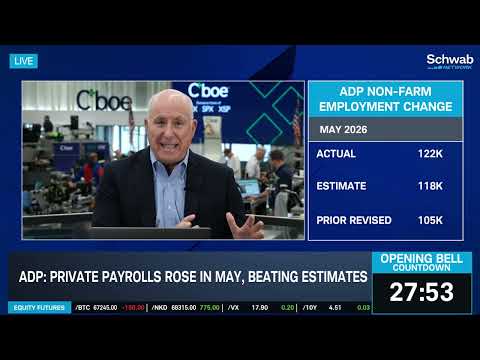
The stronger-than-expected reading follows an earlier ADP employment report that also beat expectations, reinforcing the view that the U.S. economy continues to demonstrate resilience. The combination of solid hiring and expanding service-sector activity reduces fears of an imminent economic slowdown and supports the narrative of a soft landing.

At the same time, the ISM Prices Paid component fell to 71.3 from 70.7 and missed expectations of 72.3. While still elevated, the softer inflation reading offers some encouragement that price pressures are not accelerating despite continued economic growth. For the Federal Reserve, this combination of healthy activity and easing price pressures is likely viewed favorably.

Energy markets received an additional boost from the latest inventory data. U.S. crude oil inventories fell by 7.97 million barrels, nearly three times larger than the expected 2.9 million-barrel decline and far exceeding the previous week's 3.33 million-barrel draw. The large inventory reduction suggests stronger demand and provides fundamental support for crude oil prices.

The inventory draw comes at a time when oil markets are already closely monitoring geopolitical tensions in the Middle East and potential supply risks. Combined with today's stronger economic data, the report supports the view that global energy demand remains relatively robust.

For financial markets, the data create a mixed but generally constructive picture. Stronger economic growth is positive for corporate earnings and overall risk sentiment, while lower-than-expected services inflation helps ease concerns that the Federal Reserve may need to maintain restrictive monetary policy for longer.

Overall, today's reports suggest the U.S. economy remains in solid shape, with consumer and business activity continuing to expand while energy demand remains strong. The data reinforce the view that growth is slowing only gradually rather than entering a sharp downturn, a scenario that remains supportive for both equities and commodity markets.
Brent Crude Climbs Above $97 as Middle East Risks and Supply Concerns Keep Oil Markets Tight

Brent crude oil rose about 1.6% on today to around $97.5 per barrel, extending its recent strength as investors continued to monitor geopolitical tensions in the Middle East and signs of tightening global energy supplies.

The latest gains come amid ongoing concerns surrounding relations between the United States and Iran. While markets have avoided pricing in a worst-case scenario, traders remain highly sensitive to any developments that could threaten oil flows from the Persian Gulf and the Strait of Hormuz, one of the world's most important energy shipping routes. Even without a major disruption, elevated geopolitical risk has added a significant premium to crude prices in recent weeks.

Supporting the market further, recent U.S. inventory data have pointed to stronger-than-expected demand conditions. Last week's Energy Information Administration report showed a substantial drawdown in crude inventories, suggesting that consumption remains resilient despite concerns about slowing global economic growth. Falling inventories typically indicate that demand is outpacing supply, a bullish signal for oil prices.

Oil has also found support from a generally resilient global economy. Although manufacturing activity has weakened in parts of Europe and Asia, the U.S. labor market continues to show strength, with the latest ADP employment report exceeding expectations. A stable labor market supports transportation demand, industrial activity, and overall energy consumption.

Higher oil prices are increasingly becoming an important factor for financial markets and central banks. Sustained energy inflation could complicate efforts by the Federal Reserve and other major central banks to lower interest rates, particularly if elevated fuel costs begin feeding into broader inflation measures.

Looking ahead, traders will closely monitor upcoming U.S. employment data, weekly inventory reports, and developments in the Middle East. For now, the combination of geopolitical uncertainty, strong demand signals, and concerns about global supply disruptions continues to support Brent crude near multi-month highs.
Brent Crude Holds Above $95 as Supply Concerns Offset Economic Headwinds

Brent crude traded around $95 per barrel today, holding near its highest levels in months as investors continued to focus on supply risks stemming from escalating tensions in the Middle East.

Oil prices have surged over the past week following increased hostilities between the United States and Iran, raising concerns about potential disruptions to global energy supplies and shipping routes. Traders remain particularly focused on the Strait of Hormuz, a critical chokepoint through which a significant portion of the world's oil exports pass.

Despite stronger-than-expected U.S. labor market data, which showed JOLTS job openings rising to 7.618 million in April from 6.887 million previously, oil prices remained resilient. The data reinforced expectations for a healthy U.S. economy and continued energy demand, helping offset concerns that higher interest rates could slow growth.

The market is now balancing two competing forces: geopolitical risks that threaten supply and strong economic data that supports demand, against the possibility that elevated oil prices could eventually weigh on global growth and fuel inflation.

For now, supply concerns remain the dominant theme. With Brent holding above $95 and traders closely monitoring developments in the Middle East, volatility is likely to remain elevated in the energy market in the coming days.
Video Thumbnail
06-08-26WS News
Video Thumbnail
06-06-26The Investor
Video Thumbnail
06-05-26Global Finance News
Video Thumbnail
06-04-26European Investor
Video Thumbnail
06-03-26Global Finance News